Antibiotic misuse and rise of superbugs - WHO report

Misuse of top antibiotics gives rise to superbugs: WHO report

HIGHLIGHTS WHO has published a list of antibiotic-resistant ‘priority pathogens’- a catalogue of 12 families of bacteria Most of these 12 superbugs have presence in India Rampant use of antibiotics said to be responsible for bacteria becoming resistant   NEW DELHI: The World Health Organisation (WHO) has published its first ever list of antibiotic-resistant ‘priority…
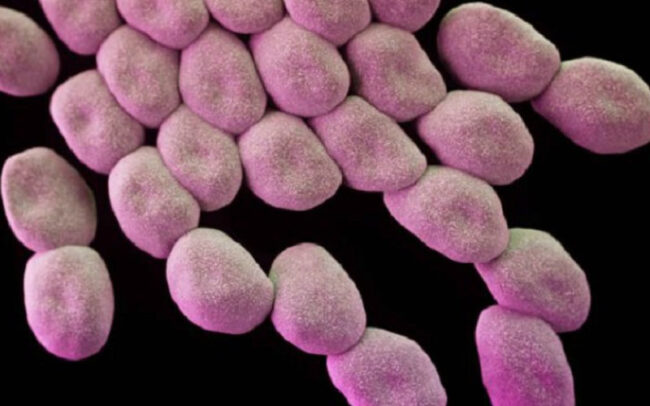
WHO list of 12 dangerous bacteria - phage therapy candidates

WHO: These 12 bacteria pose greatest risk to human health

(CNN) Twelve types of bacteria were deemed “priorities” in urgent need of new antibiotics, according to a list released by the World Health Organization on Monday. The first list of its kind, it highlights bacteria that global health experts believe pose the greatest threats to human health. The WHO is calling on governments and pharmaceutical companies…

Bacteriophages used to cure cholera infection

Viruses cure cholera

Phage therapy may finally be gaining ground in the United States. Researchers from Tufts University just reported that a virus cocktail effectively prevents cholera in an animal model. According to study author Andrew Camilli, “while phage therapy has existed for decades, our study is proof-of-principle that it can be used to protect against infection and…

Phages infiltrating resistant bacteria and DNA transfer research

Phage find clever ways to infiltrate resistant bacteria and shuttle DNA between strains

In the gut, in the soil, and myriad other spots, bacteria reign, forming complex communities—but not in isolation. They’re often influenced by bacteria-killing viruses known as bacteriophages. A recent study in Cell now shows how such viruses can infect bystander, virus-resistant bacteria and transfer bits of DNA to them. Phage are known to facilitate horizontal gene transfer, a movement…

Advancing phage therapy research at Eliava Center

ADVANCING PHAGE THERAPY

Bacteriophages, viruses that infect bacteria, are the planet’s most numerous microorganisms. They kill vast numbers of bacteria in natural environments. They can also be used to treat bacterial infections. In the 1920s and 1930s, before antibiotics became widely available, physicians in the United States and other countries successfully treated a variety of infections with bacteriophages…

Phages communicating through chemical messages research

Do you speak virus? Phages caught sending chemical messages

Viruses sense chemical signals left behind by their forebears so they can decide whether to kill or just to infect their hosts. The discovery — in viruses that attack Bacillus bacteria — marks the first time that any type of viral communication system has ever been found. But researchers say that many other viruses could communicate with…

Antibiotics crisis and phage therapy as the answer

Antibiotics crisis: is phage therapy the answer?

It’s been used in the former USSR for a century. Now the West is taking notice  Bacteriophage – or ‘phage’ for short – is a virus that infects bacteria. These naturally occurring infective agents contaminate bacteria and replicate once within. They are everywhere – including all over our bodies where they outnumber bacteria 10 to…